Clothing manufacturing in Bangladesh, managed from first sample to shipment.
We are a buying house in Dhaka. We develop your samples, place your order with audited factories that suit the product, check quality on the line, and ship it to you.
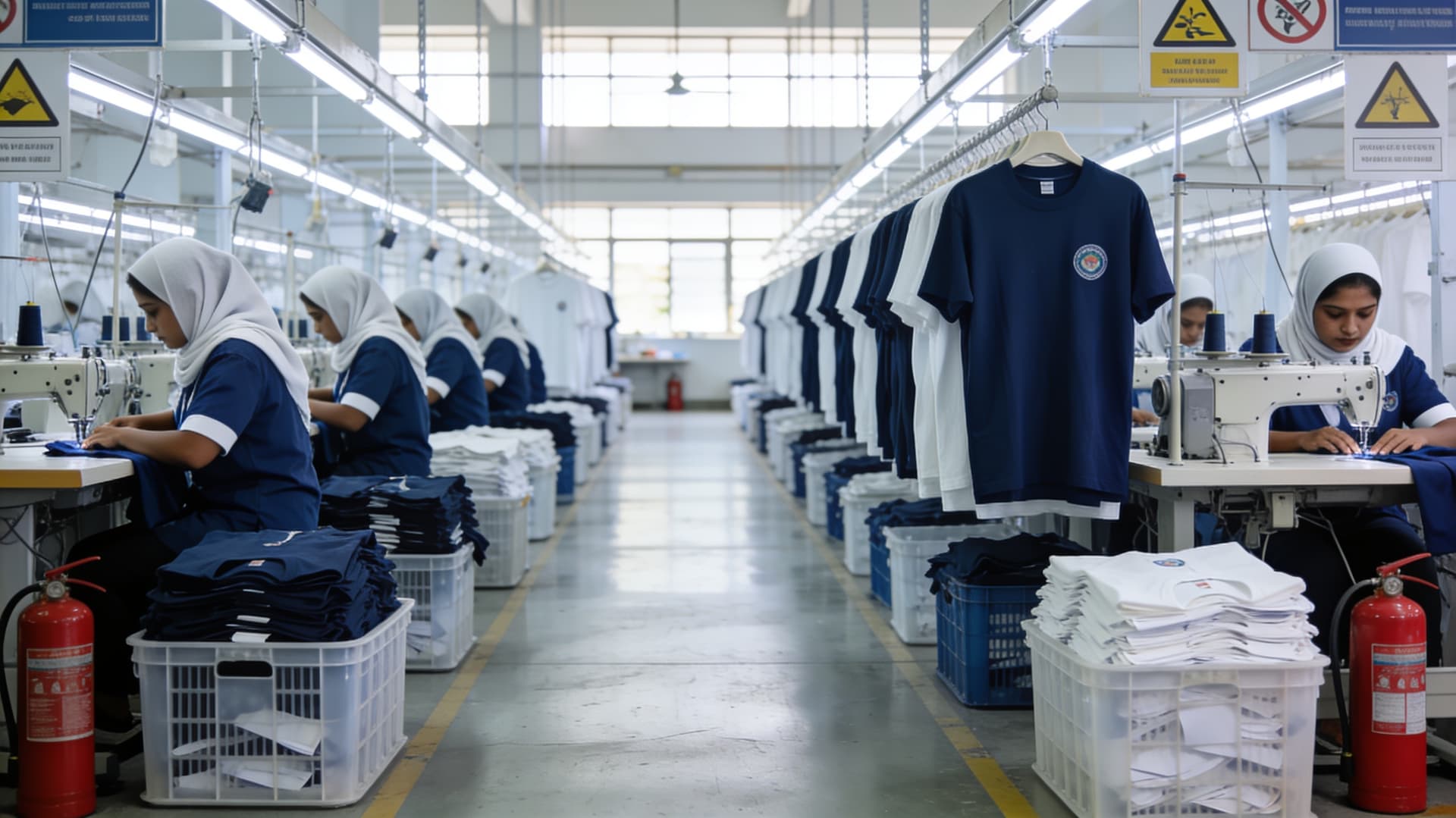
Made in Bangladesh
- Buyer
- Your brand
- Made by
- Audited factory
- Checked
- AQL inspection
- Terms
- FOB / CIF / DDP
- Port
- Chattogram
Ctn no. 1of 1
One team from tech pack to container.
You deal with one merchandiser who knows your order, while each style is made in a partner factory that specialises in it. Choose how much of the work you want us to handle.
Full package production (FOB)
You send a design or tech pack. We source fabric and trims, develop samples, produce, inspect and ship — one price per piece, one point of contact.
CMT manufacturing
You supply fabric and trims. We receive and check them, then manage cutting, sewing, finishing and packing at a CMT price.
Private label clothing
Start from proven garment blocks, choose fabrics and colours, and add your labels, trims and packaging. The fastest route to your own brand.
OEM and ODM manufacturing
OEM: we make exactly to your specification. ODM: we propose styles, fabrics and trends, and develop them into your range.
Low MOQ production
Start with small quantities per style using stock fabrics and proven patterns, so you can test a design before committing to full production.
Sampling and product development
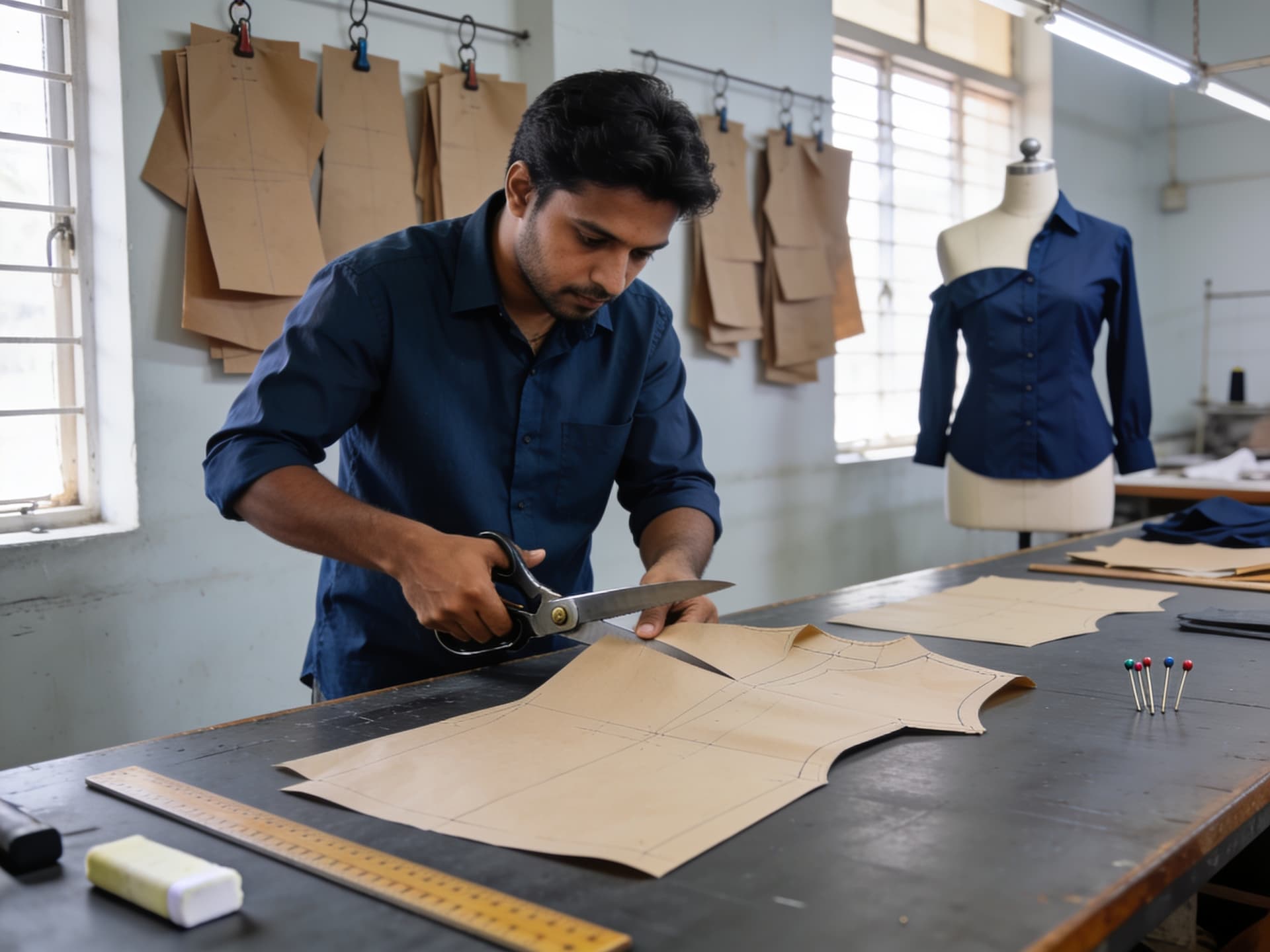
Our sample room turns sketches and reference garments into approved samples, with pattern making, grading and technical documentation.
Fabric and trim sourcing
Knits, wovens, denim and specialty fabrics from certified mills in Bangladesh, plus imported fabrics where needed. Trims, labels and packaging sourced to your brand standards.
Quality control and inspection
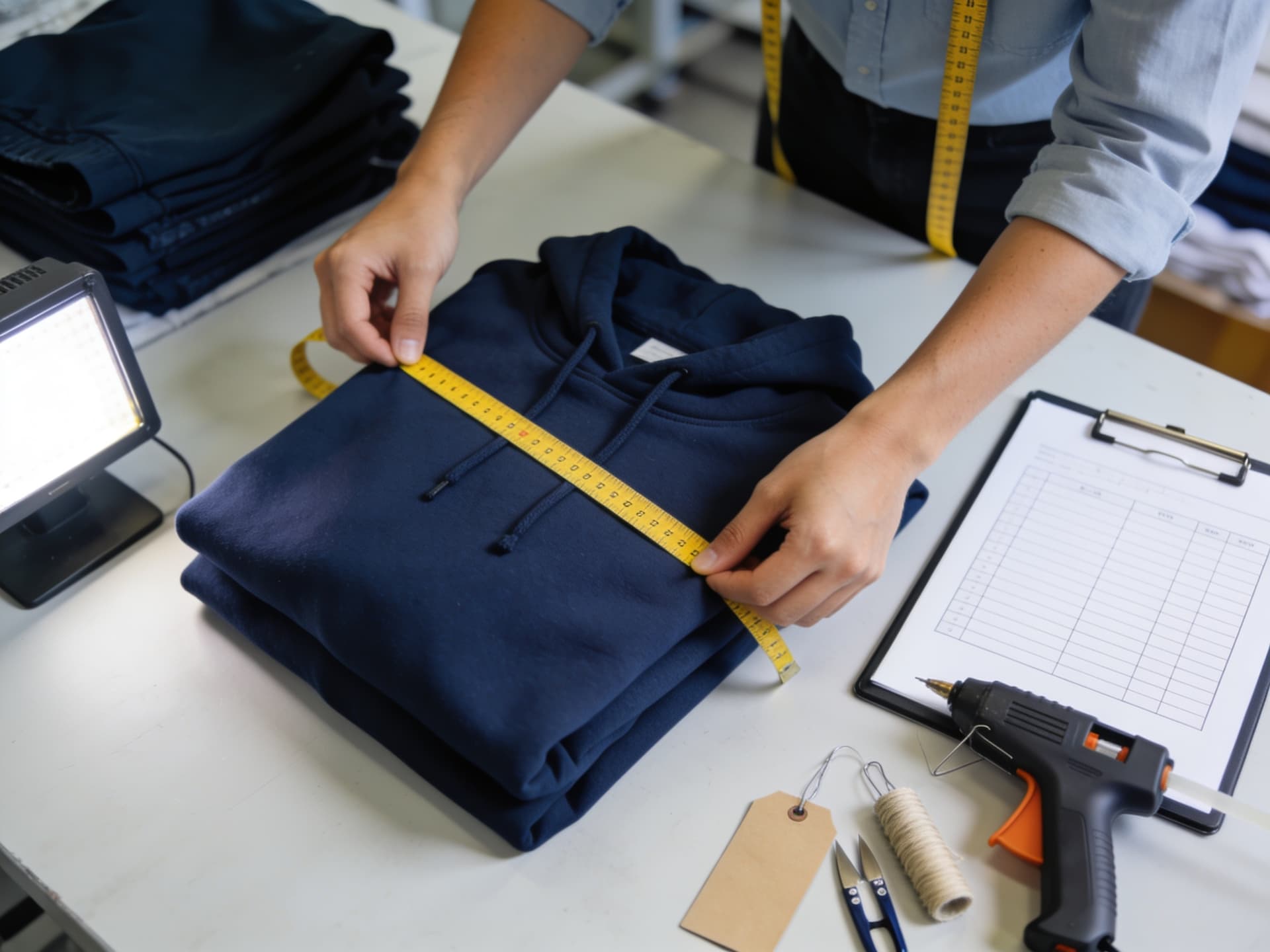
Fabric inspection, pre-production meetings, inline checks and final AQL inspection on every order. Third-party inspectors are welcome.
Compliance and factory audits
We match your order to factories holding the audits and certificates your buyers require, and collect the documents before production starts.
Logistics and shipping
FOB Chattogram, CIF to your port or DDP to your warehouse, by sea, air or courier. We prepare export documents and certificates of origin.
What we make.
Knits, wovens, denim, sweaters, outerwear and accessories. Each category goes to factories that specialise in it, so your hoodies are not made on a shirt line.
- T-shirtsJersey 140–300 GSM
- Polo shirtsPiqué 180–240 GSM
- Hoodies and sweatshirtsFleece 280–500 GSM
- Sweaters and knitwearFlat knit 3–14 gauge
- DenimDenim 8–14.5 oz
- Jackets and outerwearPuffer, parka, rainwear
- Activewear and sportswearPerformance knits, leggings
- Kidswear and babywearBaby to youth sizes
- Underwear and loungewearRib, modal, jersey
- Workwear and uniformsTwill, canvas, hi-vis
- Woven shirts and bottomsPoplin, oxford, twill
- Caps and headwearCaps, beanies, bucket hats
- SocksCrew, ankle, sport
- Towels and home textilesTerry 400–700 GSM
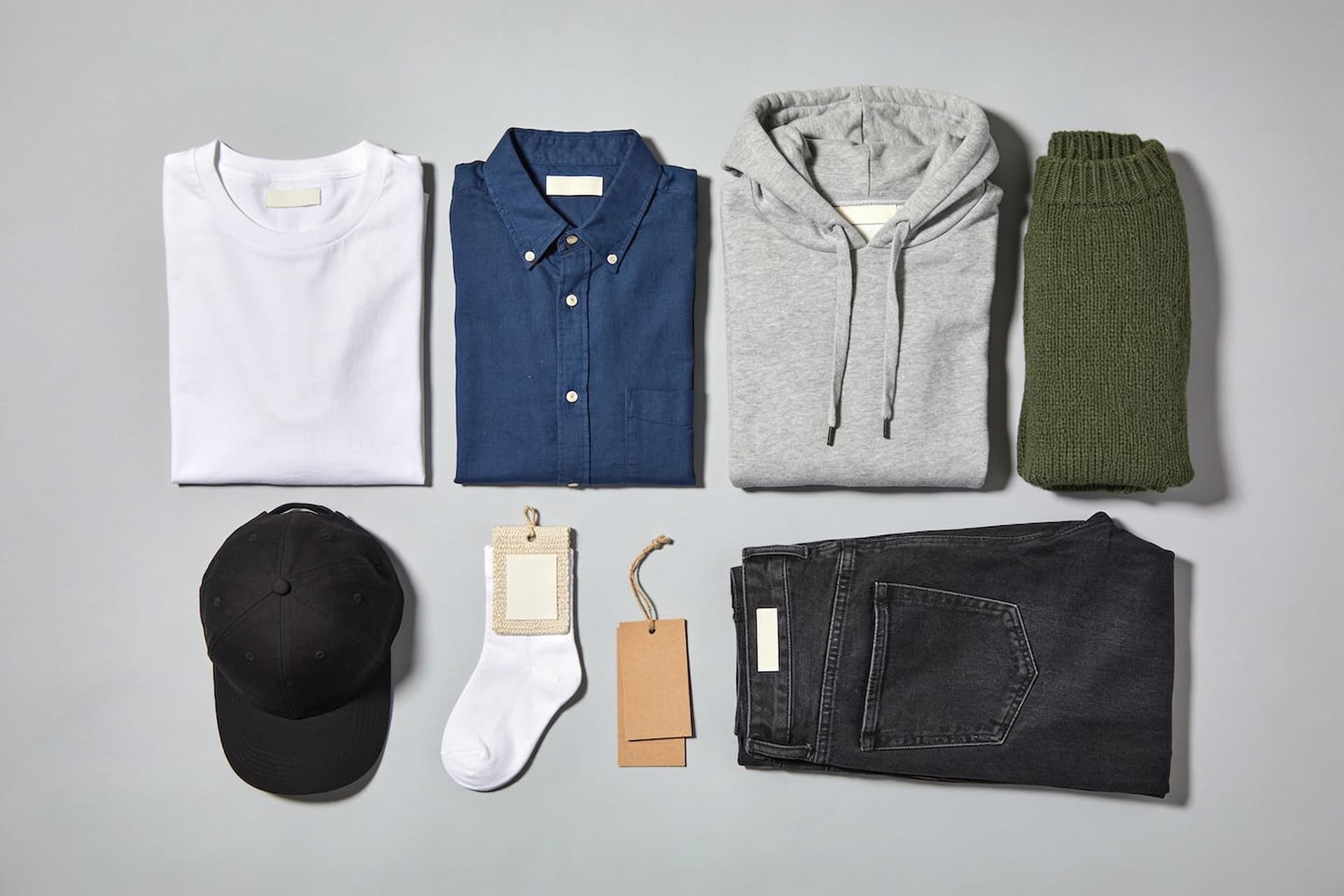
Not listed? We also source bags, aprons, scarves and promotional textiles. Ask about your product.
Certificates you can check yourself.
Our guide explains 66 standards, audits and licences for clothing production in Bangladesh: what each one proves, how long it lasts, and where to verify it. These are the ones buyers ask about most.
| Standard | What it proves | Where to verify |
|---|---|---|
| amfori BSCI | Audits working conditions against the amfori Code of Conduct: fair pay, working hours, freedom of association, no child or bonded labour, health and safety, and the management systems behind them. | amfori.org (opens in a new tab) |
| WRAP | Certifies a facility against 12 principles for lawful, humane and ethical production, including legal compliance, forced and child labour, harassment, pay and benefits, hours, health and safety, environment, customs compliance and security.. | wrapcompliance.org (opens in a new tab) |
| Sedex SMETA | An ethical trade audit based on the ETI Base Code. | sedex.com (opens in a new tab) |
| OEKO-TEX® STANDARD 100 | Every component of a product — fabric, thread, labels, buttons, prints — is tested for harmful substances. | oeko-tex.com (opens in a new tab) |
| GOTS — Global Organic Textile Standard | Organic fibre tracked from farm to finished garment, with environmental and social criteria at every processing stage. | global-standard.org (opens in a new tab) |
| RMG Sustainability Council (RSC) | Took over the Bangladesh Accord’s inspection work in 2020. | internationalaccord.org (opens in a new tab) |
How an order moves.
Six stages, with a sample or report for you to approve at each one. Nothing goes to cutting until you have signed off the pre-production sample.
Enquiry and costing
Send a tech pack, sketch or reference garment with your target quantity. We reply with questions or a first costing within one working day.
Fabric and sampling
We source fabric and trims, submit lab dips, and make a proto or fit sample.
Order confirmation
After sample approval we confirm the price, delivery date, factory and compliance documents in writing.
Pre-production
Bulk fabric is tested, the size set is approved, and a pre-production meeting fixes every construction detail before cutting.
Production and inline checks
Our quality team checks the line from the first bundles, with weekly photo updates to you.
Final inspection and shipment
AQL final inspection, packing check, export documents and freight — FOB, CIF or DDP.
Why brands produce in Bangladesh.
Cost matters, but it is not the only reason. The country’s garment industry has spent a decade rebuilding around safety and sustainability.
- One of the largest garment exporters
- Bangladesh ranks among the world’s top garment-exporting countries, with thousands of export factories across knit, woven, denim and sweaters.
- 284 LEED-certified factories
- As of May 2026, Bangladesh had 284 LEED-certified garment factories, 121 of them rated Platinum — more green factories than any other country.
- Duty-free into the EU
- Apparel from Bangladesh enters the EU duty-free under Everything But Arms. After LDC graduation, scheduled for 24 November 2026, preferences continue through a three-year transition.
- Independent safety inspections
- Since 2013, export factories have been inspected for structural, fire and electrical safety — today by the RMG Sustainability Council and the government’s National Initiative.
- Cotton and knit strength
- Local spinning, knitting and dyeing capacity keeps cotton knit lead times short, from basic tees to heavyweight fleece.
- Competitive cost
- Labour and overhead costs remain lower than in China and many other sourcing countries, especially for high-volume basics.
Are you a factory or a buying house?
We are a buying house based in Dhaka. We do not own sewing lines. Instead, our own merchandising, sampling and quality teams manage your order from the first costing to shipment, and place production with a partner factory that specialises in your product. That matters because factories in Bangladesh are specialists: the unit that makes excellent jersey t-shirts is rarely the right one for knitwear, denim or seam-sealed jackets. Working through us gives you one point of contact and one team accountable for fabric, fit, quality and delivery, while each style is made in a factory suited to it. Before production starts, we tell you which factory will make your order and share its audit reports and certificates. Your order stays in the factory you approved, and any change is agreed with you in writing first. You are welcome to visit the factory or send your own inspector at any stage.
Can you work from my tech pack, or only from a sample?
Both work. The fastest start is a tech pack in PDF or Excel with measurements, construction details, fabric composition and weight, trims, artwork placement and packing instructions. If you only have a sketch, a photo or a garment you like, send that instead: our sample room can build the pattern and a working tech pack for you, and you approve it before any bulk fabric is bought. For a first costing we also need your quantity per style and colour, the size range, your target market, and any certifications your retailer requires, because those choices change the fabric, testing and factory we recommend. Share large files as a Google Drive, Dropbox or WeTransfer link. We are happy to sign a non-disclosure agreement before you send designs, and your patterns and artwork are never shown to or reused for another buyer.
How do you check quality during production?
Quality is checked at several points, not only at the end. Before cutting, bulk fabric is inspected with the 4-point system and tested for shrinkage, weight and shade, and a pre-production meeting fixes every construction detail against the approved sample. When sewing starts, our inspectors check the first output of each line and return through production, so problems are caught while they can still be corrected. Finished, packed goods then go through a final random inspection using AQL sampling to ISO 2859-1, covering workmanship, measurements, labels and cartons. You receive the inspection report with photos before you approve shipment. Where your market requires lab testing, such as colour fastness, dimensional stability or restricted substances, we arrange it at accredited laboratories in Bangladesh. Independent inspection companies or your own quality team are always welcome to attend any of these stages.
Which certifications do your partner factories hold?
It depends on the factory we match to your product, and we only claim what we can document. Before you confirm an order, we send the certificates and audit reports for the factory that will produce it, with the certificate numbers so you can check each one yourself. Most buyers ask for a social compliance audit such as amfori BSCI, WRAP or Sedex SMETA; product certificates such as OEKO-TEX STANDARD 100 for harmful substances; and GOTS, OCS, GRS or RCS when the label makes an organic or recycled claim. Export factories in Bangladesh also need statutory licences, including the DIFE factory licence, fire licence and export registration. Tell us your market and product, and we will list the standards that apply before we quote. Our certifications guide explains each standard, how long it lasts and where to verify it.
Which shipping terms do you offer?
We quote on the terms that suit your business. FOB means we deliver the goods, cleared for export, to the port or airport in Bangladesh, and your freight forwarder takes over from there; it gives you the most control over freight costs. CIF adds sea freight and insurance to your destination port, while you handle import clearance and delivery. DDP is the simplest option for smaller brands and online sellers: we deliver to your warehouse with import duties and taxes paid, so the price you approve is close to your landed cost. Sea freight usually leaves from Chattogram, and urgent or small orders can go by air or courier from Dhaka. We prepare the export documents, packing lists and certificates of origin that let your goods claim duty-free or reduced-duty entry where your market allows it.
Tell us what you want to make.
Send a tech pack, a sketch or a photo of a garment you like. We reply within one working day with questions or a first costing.
- One merchandiser responsible for your order
- Certificates and audit reports shared before production
- AQL final inspection report before you approve shipment
- NDA signed on request before you share designs